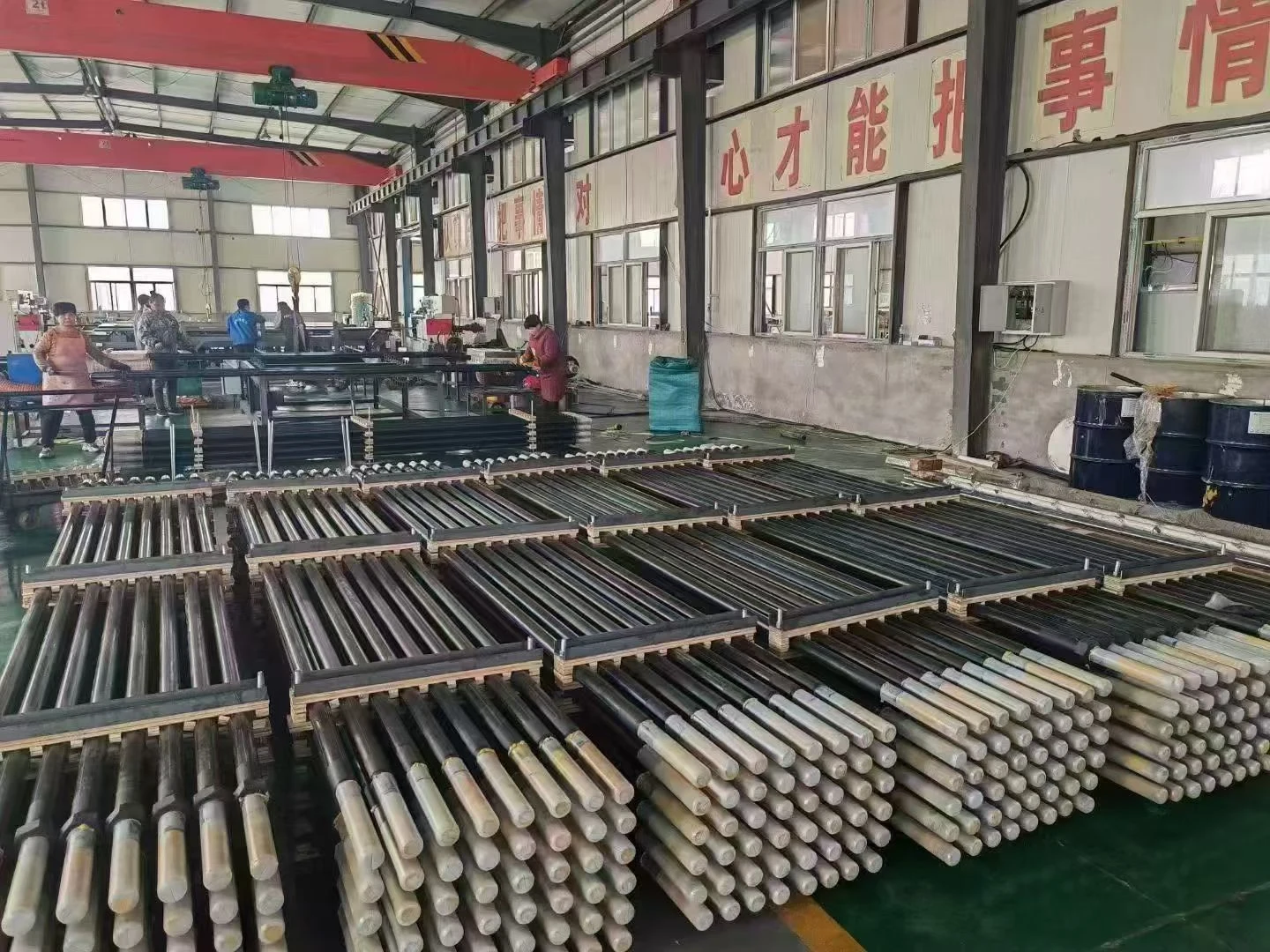
A delivery can match the purchase-order quantity and still cause a problem at installation. A rod may have the right overall length but leave too little usable thread for the specified assembly. Hardware may arrive in separate boxes with labels that are hard to match. Use receiving inspection to identify these discrepancies while the shipment is still accessible and before the concrete-placement schedule depends on it.
1. Establish which documents control acceptance
Start with the approved drawing revision, purchase order, packing list and any project inspection plan. Identify the drawing or schedule that applies to each assembly mark. Keep substitutions, drawing revisions and approved deviations with the receiving record so inspectors can tell which requirements apply to the delivered lot. Refer conflicting requirements to the responsible project team for written resolution.
2. Match the delivery to assembly marks
Count rods, nuts, washers, plates and templates against the packing list and approved assembly schedule. Where the order requires lot traceability or certificates, check that the identifiers on the packaging can be matched to the documents supplied. Record shortages or unreadable tags before splitting the shipment into installation groups. Keep unidentified material separate until its identity is resolved.
3. Check dimensions that affect fit
Use the project’s specified measurement method, sampling plan and tolerances. Depending on the assembly, inspection may include rod diameter, overall length, usable thread length, plate-hole spacing and the dimensions that control projection above concrete. If the inspection plan calls for a fit check, use the supplied mating hardware and approved template arrangement. Record the result against the assembly mark and keep dimensional acceptance separate from the fit check.
4. Record condition and discrepancies
Look for transport damage, bent rods, visible thread damage, damaged packaging and coating defects where a finish was specified. Photograph discrepancies with the relevant identification tag and a scale where useful. Record the affected quantity, drawing revision, measured value and applicable requirement. Hold the affected pieces for disposition before field rework or substitution.
5. Hand off a receiving record to the installation team
Pass on the inspection status, assembly marks, locations of stored material and any open discrepancies. Keep the approved drawing with the installation team. At the project’s pre-pour checkpoint, confirm that the installed layout, projection and orientation have been checked under the project inspection plan. The receiving record gives the team a starting point for that site check.
Discuss Your Requirement.
Tell us what your connection needs, with or without a drawing.
Start An Enquiry